Easy to Make, Clean for the Planet, Safe for the Family
Making your own cleaning products may seem very overwhelming at first, and it is when you are not used to it, like everything! I am going to create a list of all you need so that you can shop local or order online and start making your own products. I have not invented these recipes. I have tried them, and have tweaked some of them! Try them out and let me know what you think!

ALL PURPOSE
- 1/4 cup vinegar
- 1/4 cup ethanol or isopropyl alcohol (at least 60% alcohol)
- 1 1/4 cup water
- 15 drops of your favorite essential oil (I use lemon and peppermint)
Mix all the ingredients in a glass bottle and spray on the surface (avoid stone countertops because of the vinegar).
If you plan on scrubbing a surface, you may want to sprinkle baking soda before spraying the surface. If the surface is very dirty and need a boost, clean the area beforehand with a drop of dish soap.
ALWAYS CLEAN BEFORE YOU DISINFECT!
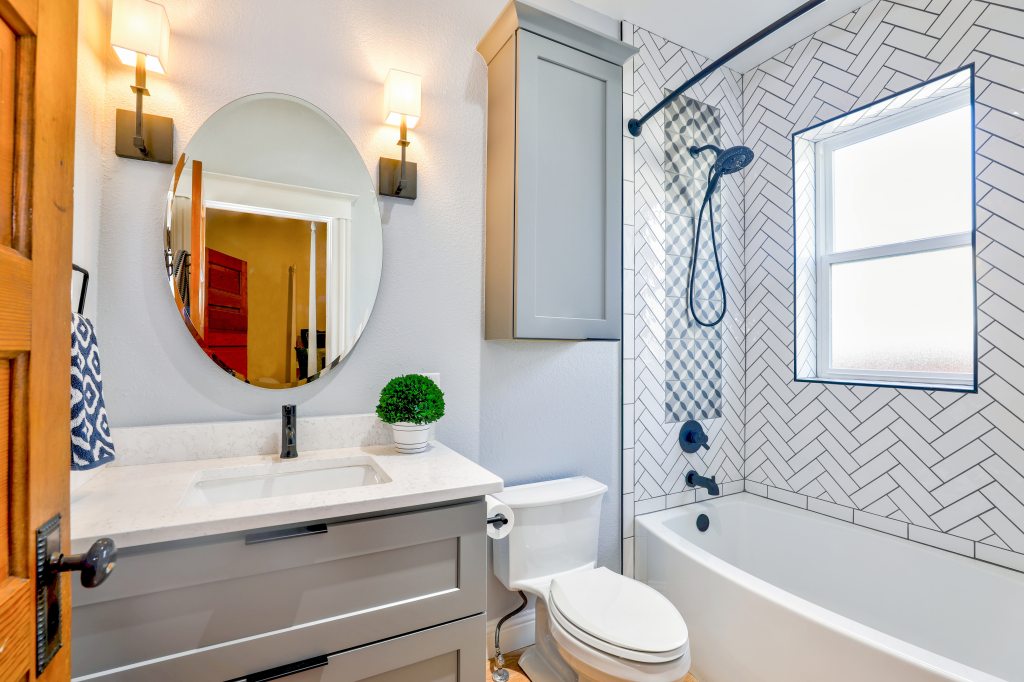
TILE & GROUT (works great as a bleaching agent for your cast iron sink)
- 1/2 cup baking soda
- 1/2 cup hydrogen peroxide
- 1 tsp. dish soap (optional)
Sprinkle generously the baking soda over the tiles/grout. Spray the hydrogen peroxide to fully wet the baking soda. Wait 5-10 minutes. Scrub for a few minutes. Wipe clean.
* If you’d like to add dish soap, mix the 3 ingredients together before covering the surface to clean.
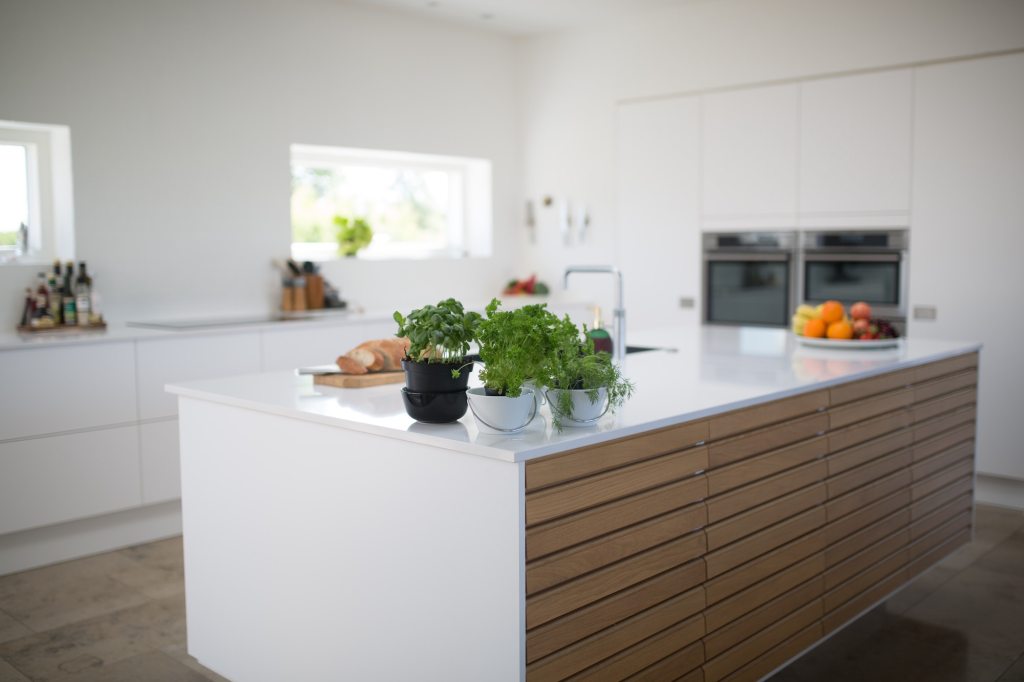
STONE COUNTERTOPS
For your daily cleaning, simply use warm soapy water; then dry with an eco friendly cloth. Avoid cleaners that contain vinegar or other acidic ingredients, as well as bleaching agents. Below is a great disinfectant recipe for your countertops:
- 4 Tbsp. isopropyl alcohol
- 4 drops dishwashing soap
Put the alcohol and dishwashing soap in a spray bottle. Fill all the way up with warm water, shake gently, and spray onto the surface about 2 square feet at a time. Let sit for 1 minute and dry with a dry white cloth (cloth of color can stay the countertop).

GLASS/MIRROR CLEANER
- 1 part water (distilled if possible)
- 1 part vinegar
Spray onto the glass window or mirror and clean with an eco-friendly streak-free cloth.
You can replace the vinegar part with ethanol (vodka) or hydrogen peroxide. I find the mix water + hydrogen peroxide to be very effective and odor-free.

HARDWOOD/STONE FLOOR
- 4 cups water
- 1 tsp. dish soap
Spray the mixture onto the flooring (or use a bucket), working one area at a time. Depending on the surface type (unfinished wood for instance), you may need to mop with clear water another time. Stone flooring may not require rinsing.
Some recipes call for essential oils for a nice smell or alcohol to disinfect. If you feel your floor can handle it, try on a small area before to make sure it is safe.
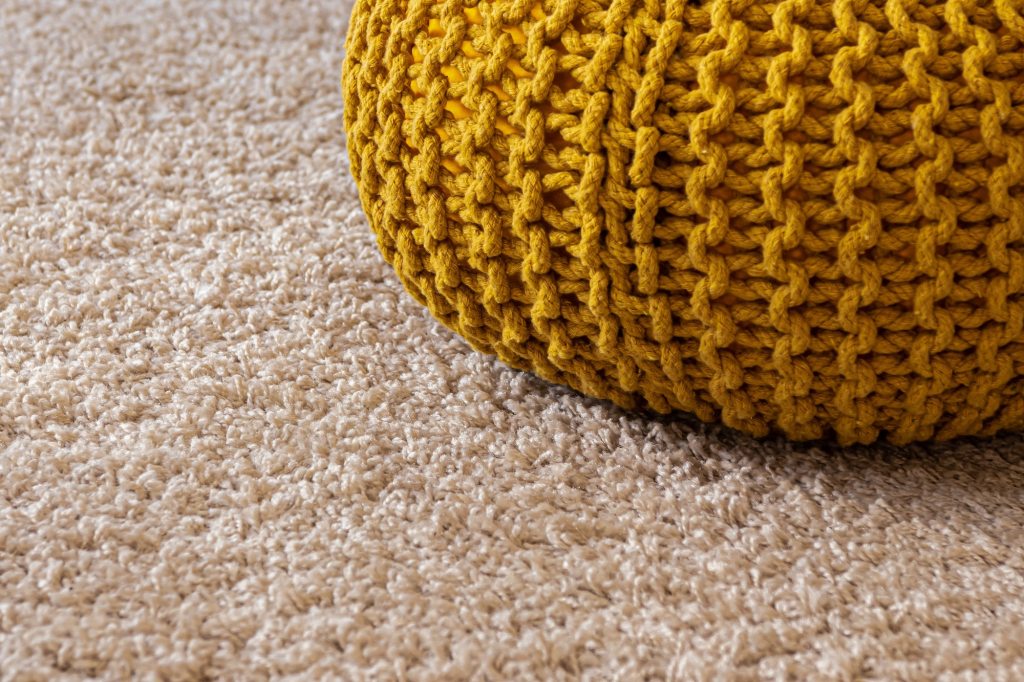
CARPET STAIN CLEANER
- Baking Soda
- 1:1 mixture of vinegar and water in a spray bottle
Sprinkle a thin layer of baking soda over the stained area. Spray the vinegar mixture. Rub it with your fingers, and wait until dry. Then break off the dry paste and vacuum. Remove any residue with a damp towel.
INGREDIENTS
- HYDROGEN PEROXIDE (3% or 6%): has bactericidal, virucidal, sporicidal, fungicidal, and bleaching properties. Be careful if using on delicate countertops (it is acidic in nature and can damage the stone if used daily). Hydrogen peroxide can be used alone to clean toilet bowls, refrigerators, microwaves, dishwashers, cutting boards, even fruit and veggies (dilute 1/4 cup with 1 gallon of water)! It also kills mold, removes tough stains on white clothing (it is a bleaching agent so be careful how you use it on clothes), and sanitizes your toothbrush and retainer!
- WHITE VINEGAR: has fungicidal properties and is the most acidic of all vinegars. Because of its low pH, it can help break down minerals buildups, soap scum, as well as deposits from hard water, mold, grease and bacteria. White vinegar has hundreds of uses and is super safe for the whole family and the planet. Just be cautious that also because of its acidity, it can damage sensitive surfaces like stone countertops, hardwood floors, waxed or unfinished wood furniture/cabinets. I personally use vinegar for my dishwasher rinse aid, for urine accidents, to clean the shower head, coffee maker and electric kettle, among other uses.
- BAKING SODA: is a natural deodorizer and good abrasive. It also has some antibacterial properties. So it is a good product to use to scrub and/or remove unpleasant odors. For example, I use it to deodorize my fridge by placing a cup of baking soda in the back of a shelf. Like white vinegar, baking soda has many many cleaning uses (as well as beauty uses) from boosting your laundry detergent by adding about 1/2 cup to your load, to making a great bathroom cleaner when mixed with vinegar to remove soap scum.
- ISOPROPYL ALCOHOL (at least 60-70% according to CDC): Disinfects, removes odors.
- ETHANOL such as VODKA (at least 120-140 proof to act as a disinfectant): Disinfects.
- DISH SOAP: breaks down oil, dirt and grime. Dish soap is a nice addition to any bathroom and kitchen cleaner as it acts gently on nearly all surfaces. It is also great on baseboards, window blinds, cabinets and appliances. Just dilute a little bit of soap in warm water and clean the surface. Rinse with a damp cloth and dry after cleaning.
- ESSENTIAL OILS: here is a list of my favorite essential oils that feature disinfecting properties (as well as antibacterial, antiviral, antifugal, antimicrobial, antiseptic, and deodorizing). I would add about 20 drops for every 16 oz. of cleaning product.
- tea tree
- lavender
- lemon
- orange
- eucalyptus
- cinnamon
- thyme
- peppermint
A Note on Disinfecting and Cleaning
- Cleaning refers to the removal of germs, dirt, and impurities from surfaces. It does not kill germs, but by removing them, it lowers their numbers and the risk of spreading infection.
- Disinfecting refers to using chemicals, such as hydrogen peroxide/ethanol/isopropyl alcohol, to kill germs on surfaces. This process does not necessarily clean dirty surfaces or remove germs, but by killing germs on a surface after cleaning, it can further lower the risk of spreading infection.
– CDC’s guidelines for Households’ Cleaning and Disinfection –
Before buying, please note:
Microfiber cloths are made from plastic. Use old rags, tee-shirts, sheets and towels to clean around the house.
Whenever possible buy ingredients in bulk to avoid plastic packaging, or favor glass and paper packaging.
Now it’s time to shop!
- Hydrogen Peroxide & Isopropyl Alcohol: You can find gallons at LAB ALLEY
- White Vinegar: Amazon or Shop at your local CVS/Target/Walgreens
- Baking soda: Amazon or Shop at your local grocery store
- Ethanol: Look for Everclear vodka at your local shop or here
- Essential Oils: Amazon
- Glass Bottles: Amazon
- Labels: Amazon
Photo Credits:
- Bathroom Photo by Christa Grover from Pexels
- Living Room Photo by Skitterphoto from Pexels
- Kitchen Countertop Photo by Rene Asmussen from Pexels
- Glass Window Photo by Jessica West from Pexels
- Carpet Photo by Ran Berkovich on Unsplash
- List Photo by Tirachard Kumtanom from Pexels
 mygreenhome.blog