
How to Spend an Eco-Friendly Christmas

Christmas is a beautiful holiday for the whole family, but it does bring me some anxiety in terms of additional unnecessary things we will have to deal with in the house and the footprint this holiday has on the environment. I gathered some thoughts and actions that I implement to make this holiday as cheerful and sustainable as possible.

Shopping:

  • The basic rule of bringing your own bags when shopping also applies here!
  • This year more than any other year, shop LOCAL! This will help our local businesses while reducing shipping’s carbon impact. Or look for online companies that offset their carbon footprint.
  • Buy what is really needed and limit the children’s endless presents list to a couple items.
  • Donate toys that your children no longer play with.
  • When buying presents, try to buy eco-friendly items with little packaging and ask yourself this question: “How likely is this gift going to end up in the landfill within the next year?”
  • Can you offer an experience instead of a physical product?
  • Don’t send holiday cards this year but maybe a text or a more personalized email.

Gift wrapping:

  • Use recyclable gift wrap if you really want to put nice wrapping around the presents. Many gift wraps are NOT recyclable.
  • FORGET about glittery gift wrap, which contains microplastics.
  • Don’t use labels or ribbons. Keep it simple.
  • I find that the children don’t care about the wrapping, so be creative using paper shopping bags, magazine pages, torn tee-shirts, etc. to create your own gift wrapping.

Decor:

  • This is a tough one. Because we live in a small space, we generally do not have room for a Christmas tree, which I don’t find sustainable anyway. So I invested in very pretty reusable holiday decor items and lighting that are filling the room with holiday cheer. Our fireplace becomes the center of attention and where Santa will drop off everybody’s presents.

Cooking:

  • If you plan on hosting a large dinner and were going to use single-use items, look for sustainable ones.
  • Make a plan to use your leftovers for other dishes.
  • Buy organic, local and seasonal produce.

Homemade Yogurt

My family loves yogurt, I mean we are French, and in France we have aisles dedicated to yogurt. So yes we do know our yogurts, like our cheeses! However, between the cost of a yogurt and the fact that yogurt is almost all the time packaged in plastic, I decided a while ago to give it a try and switch to making them at home. It is so so easy, you won’t believe it, and here is the recipe!

You will need:

  1. Yogurt maker. I have the Euro Cuisine Yogurt Maker, and I also bought extra jars considering how fast we go through yogurts. So that’s a total of 14 yogurts.
  2. 4 1/2 cups Milk: It is up to you how fat you want the milk to be. I use 2%. I have never tried nonfat milk or other types of milk, such as goat milk and plant-based milk.
  3. 1 Yogurt: All you need is one yogurt for the cultures. You could use a starter kit, which I tried but didn’t like. My favorite is OUI by Yoplait (Vanilla flavor) for my starter yogurt, which is packaged in glass and has an aluminum covering.
  4. Optional: Cane sugar, Vanilla extract, etc.
  5. 1 Bowl, 1 Whisk, 1 Small Strainer (a good one, I have these)

Instructions:

  • Boil the milk. When it starts foaming, turn off the heat.
  • Let the milk cool down until slightly warm (a little bit warmer than room temperature). The yogurt maker booklet indicates a temperature, but don’t worry about getting a thermometer, just wait until it is slightly warm.
  • Remove that milky skin that is on top and discard.
  • Take your OUI yogurt (or whatever you chose) and pour it into the bowl. Slightly whisk until creamy.
  • Strain about 1 cup of the milk into the yogurt and gently whisk. You want to try to avoid creating foam. The objective of whisking after pouring about 1 cup of warm milk is to avoid clumps, which would happen if you pour all the milk at once.
  • Pour the rest of the milk and gently whisk.
  • NOW, OPTIONAL, you can add sugar, vanilla extract or other flavor. I found that the issue with sugar is that it doesn’t dissolve well enough and at the end it adds extra time, so I’d rather use a sweetener (maple syrup, jam, cane sugar, etc.) when the yogurt is ready to be enjoyed.
  • The mixture is now ready to be poured into the jars. VERY IMPORTANT, use your strainer again when pouring into the jars, otherwise it is likely that you will have some clumps. Or at least that is what happens to me.
  • Put the jars without their lid on in the yogurt maker and cover with the plastic top.
  • Set the timer for 8 hours. I usually set it at night and even if the timer stops at 4am, I will take care of the yogurts when I wake up at 6-7am. It is ok, because it is better to let the yogurt cool down before putting them in the fridge anyway.
  • Enjoy with your favorite sweetener!

Always keep one yogurt for your next batch! I also feel like after 5 or 6 batches, I need a new yogurt from the store, so I use a new OUI whenever I find the consistency to be changing.

Sustainable Eye Care

Like dental care supplies, I have been wondering a lot about sustainable eye care. I have been wearing dailies for a few years now, mainly because reusable lenses were not a good fit for my eyes at the time. But as I am approaching the end of my supply and am actively looking to live more sustainably, I have been researching what I can do to lessen my environmental impact while keeping my eyes comfortable and healthy.

What are contact lenses? Contact lenses are made of silicone hydrogel, which is a type of plastic that allows increased wettability and oxygen permeability for optimal comfort. They ARE NOT biodegradable and are difficult to recycle due to their size.

Monthlies vs. Dailies vs. Eyeglasses: There are many factors to include when figuring out which one of these options produces less waste, and more importantly less plastic waste.

The following information is an excerpt from a 2012 study:

An annual supply of daily disposable contact lenses (365 pairs) produced 11.36 g of dehydrated plastic waste, or a little more than would go into the production of two credit cards. Comparatively, reusable lenses (biweekly and monthly wear) require solution bottles and cases. One bottle of multipurpose solution has an average weight equivalent to 2.5 years of daily contact lenses. One multipurpose solution storage case is equivalent to over a 4 year supply of daily contact lenses, whereas a peroxide case is equal to more than 8 years worth of lenses!

However, dailies require additional packaging (plastic pack, foil and cardboard packaging). It is estimated that a year’s supply of dailies produces 953 grams of plastic, whereas monthlies (with 12 bottles of solution) produce 549 grams. Eyeglasses on the other hand have very little packaging waste, and there is always the option of donating or recycling the glasses when ready for a new pair.

Recycling: The following can be recycled:

  • Contact lenses (not conventionally but only when done properly through one of the programs below)
  • Contact blister plastic pack without foil top (unopened packs are not recyclable and foil top is not recyclable)
  • Multipurpose solution + plastic case
  • Any cardboard packaging

Programs:

ONE by ONE by Bausch + Lomb and Terracycle is the only recycling program aimed to reduce contact lens waste. Collect your used blister packs, top foil, and lenses, and drop them off at a recycling center near you. Find out more here.

My Take? The comfort and health of your eyes is the #1 priority, so I feel that the best tradeoff between comfort and sustainability should be the right choice. I love the idea of a circular program like the ONE by ONE, and think it is more sustainable and progressive than the simple act of recycling. So I have the answer to my question, and will support an organization that is proactively embracing a circular business model 🙂

Eco-Friendly Painting

While staying home safe and sound, my husband and I decided to do a deep garage cleaning, and reorganize all our outdoor equipment, which keeps adding up year after year. With that being said, we definitely need a paint job. My objective is to go as eco-friendly as possible using sustainable paint, brushes, floor protectors, etc, as well as cleaning up the responsible way. So since this is a first for me, I did quite some research on the topic. While there is no clear checklist on the how to go about it, I found tons of good info, and a couple of great online stores. So before I get started, I wanted to share what I found and I will update this post as needed.

First and foremost, let’s talk about the prep work:

  1. Patching holes and sanding: You can use ECOS Drywall Spackle which has zero VOC and no off-gassing. As for sanding, look for a solvent-free sanding block like the Task solvent-free sanding block.
  2. Cleaning the walls: Use a textured rag/towel (that you can reuse) or large sponge. Simply soak in warm water and wipe down the wall. Whenever you find it hard to remove grime, dirt and grease, add a drop of dish soap on your rag and scrub. If you encounter spiderwebs, like for me in my garage, use a broom or dust mop before wiping.
  3. Floor, trim and baseboard protection:
    • Floor protection: Ram board seems to be the best choice. They are composed of 100% of recycled paper and a minimum of 90% post-consumer material. In addition, they are FSC® certified and 100% recyclable. However once used and dirty with paint stain, I would personally not recycle them. Or I would cut out the dirty parts of the sheet before recycling the clean ones.
    • Painter’s tape. Unfortunately, my DIY hardware store here in Mammoth Lakes is very limited in terms of eco-friendly items, but if you have time to order online, buy the TESA Masking Tape classic pro nature, which is made from 60% bio-based material, has no solvent and is 100% bleach-free. Even its packaging contains 80% recycled materials.

Now, let’s talk paint!

  1. Paint. Eco-friendly paint is expensive! So, if brands like ECOS don’t fit in your budget, you can always find other major brands that offer similar products. But first follow these guidelines:
    • Estimate the quantity of paint you will need. We bought 2 gallons and used them all. We didn’t prime the walls and there was no Primer in the paint, so we did 2-3 coats depending on the walls. But I am very happy we managed the quantity really well.
    • Look for Zero VOC (volatile organic compound) or Low VOC if you cannot find Zero VOC. VOC releases harmful gasses to your health, the environment and groundwater. Find more info here. We ended up using an interior Zero VOC paint from Dunn Edwards called Spartazero.
    • If you’re planning on a multiple-day painting project, no need to wash your brushes and rollers. Just put them in a plastic bag/wrap to keep those tools moist for the next day.
  2. Rollers
  3. Brushes
  4. We also used a pour spout, which was very helpful in minimizing the loss of paint when transferring from the can to the tray.

Finally, cleaning up and storage! Probably the most important part of keeping our waterways free of chemicals. Cleaning up depends on the type of paint you used.

  • Natural Paint: If you used natural paint such as plant or milk protein-based paint (free of any chemicals or harmful ingredients), then you just used a biodegradable paint that is safe for our drains and our grounds. You can wash your brushes and empty your cans directly in the sink.
  • Latex/Water-based Paints: These contain chemicals, even if they are low or zero VOC paints. To clean your brushes and rollers:
    1. First squeeze any excess of paint into the can using gloves or a brush/roller cleaning tool.
    2. Then, use a newspaper to remove any leftover paint.
    3. If you’re connected to a municipal sewer system, then you can wash the brushes and rolls directly in your sink using warm soapy water. If you’re on a septic tank, use buckets to clean your tools. Keep the dirty water. Do not pour into the ground! Either leave outside and wait for the water to evaporate or use cat littler or sand to soak in the water. Let dry and dispose in your regular trash. Personally, I put the dirty water back into the paint can and will drop it off at the hazardous waste center.
  • Oil-based paint: This is by far the more complex as both the paint and cleaning agents to clean your tools contain a high level of harmful chemicals both for you and the environment. You will need to do the cleaning either outside or in a room that is well ventilated.
    1. Wear gloves.
    2. Protect the ground/floor area where you will be cleaning up.
    3. Use a wire paint comb to remove all the excess paint to be put back in the paint can.
    4. Take an empty container and fill it with a couple of inches of toxic-free solvent. Put the brushes and rollers in it. Try removing as much paint as possible and let soak for 5 minutes.
    5. Remove from the solvent and use newspaper to continue the cleaning. If there is still paint, do the same process using a new can of solvent.
    6. When done, lay the brushes and rollers to dry.
    7. Pour all used solvent into one can. You can reuse the solvent for later use by filtering it through a coffee filter. Then dispose the filter in a safely sealed plastic bag. If you wish to dispose the solvent, safely seal the can and bring it at your local hazardous waste center.

Rollers and brushes disposal: Wait for them to dry, wrap in plastic, and put in your regular trash.

Tips for clean up:

  1. Never, ever clean the paint mess or pour paint in the ground unless you’ve used an all-natural paint.
  2. Paint storage: I know this blog is about avoiding using plastic whenever possible! But I storngly believe that if plastic fill the need for health and environmental protection, then it is more than ok. With that being said, if you still have some plastic wrap around the house, it is a great idea to cover the paint bucket with it before putting the lid back on. Or you can always clean the edge of the lid (if it hasn’t dried!). Label with name and type of paint, room painter, color, and date. Store in a dry, cool place.
  3. Brushes storage: Reuse brushes’ original packaging to keep them free from dust.
  4. Donate any leftover paint or dispose responsibly. Find out where to recycle your old paint near Manhattan Beach, here. Earth 911 and Lowes provide valuable info on what and how to dispose.

Photo Credits:

Photo by Kaboompics .com from Pexels

Earth Day 2020

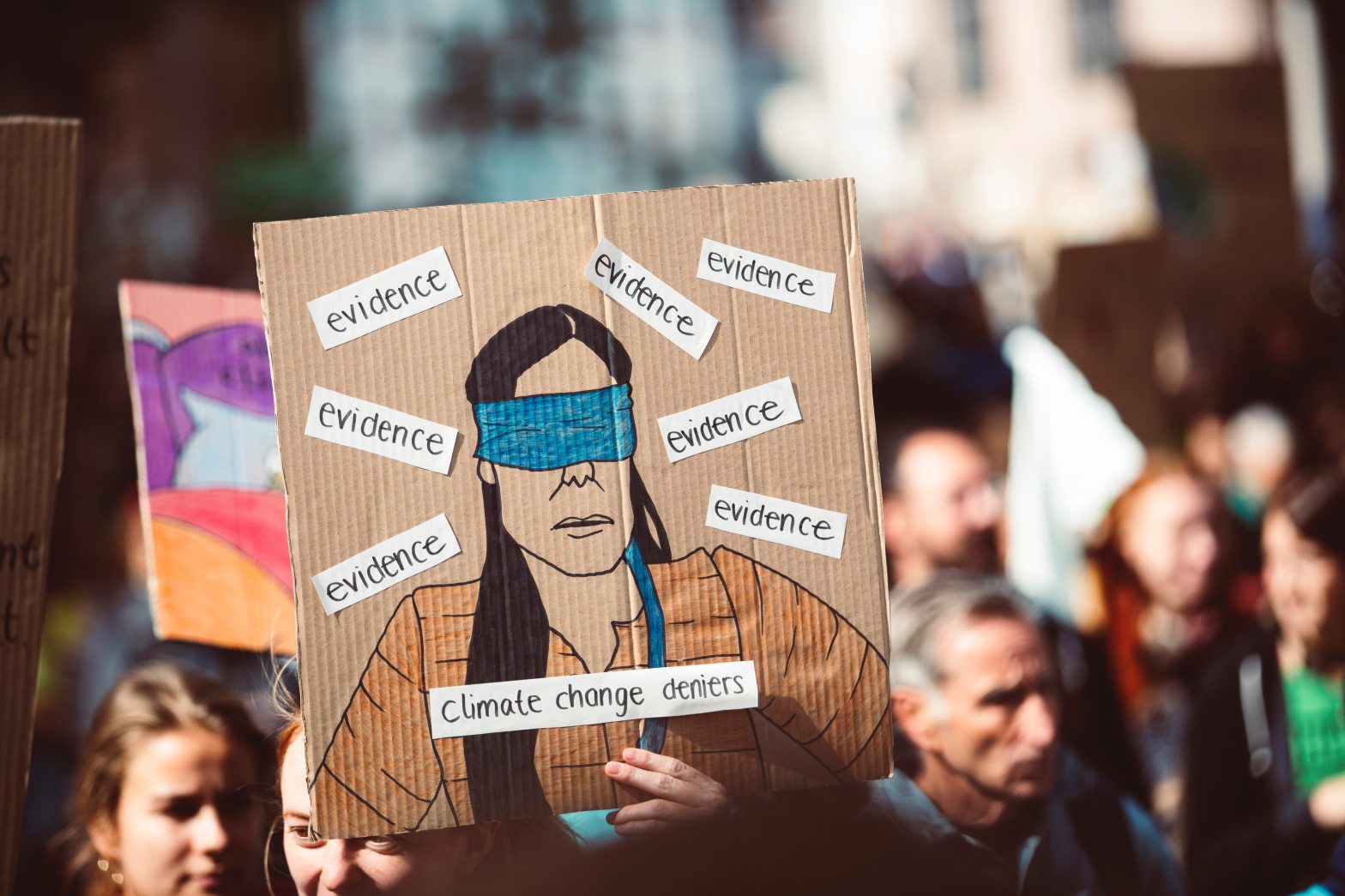
50 years of fighting for clean air, clean water, for climate justice. 50 years of fighting against greenhouse gas emission, plastic pollution, and deforestation. 50 Years. It’s a long time. One would think we should be close to a cleaner future, but some industries, leaders, and corporations are, or pretend to be in denial, putting profits above people.

The good news is that there are so many people, so many organizations, and even leaders that want change. It is our job as parents to be part of that movement and take action for our children and our children’s children. It is our job to protect our oceans and mountains. It is our job to educate our communities, family and friends about why climate change and plastic pollution (among other) are important issues and what we can do about them. We may not feel these issues or see them everyday; we may be healthy and still visit places that are so beautiful they seem unreal. So let’s do our part and make sure it stays that way!

So I tried to think of a few things that shouldn’t take longer than 1 hour, that we as parents can do with our children/family tomorrow to celebrate Earth Day.

  • Neighborhood Cleanup (1 hour): Take a walk around your neighborhood and pick up any trash you may find. Make sure to wear protective gloves and have a plan of action ready for how you will dispose the waste collected. It can be tricky to get outside these days, so you can also organize a “house” clean up with the family! The organization Break Free From Plastic suggests you can do a brand audit in your home where you would designate a separate collection bin or bag for all the single-use packaging and products you use, and collect them all in that bin for 7 days. At the end of those 7 days, take an audit of everything in that collection bin, and record all the waste and brands on the data card. A brand audit is simply the report of all the items you found along other info like the brand name, and type of material of those items.
  • MAKE A STATEMENT (30 minutes): Take some chalks, go outside and write something about Earth Day on your sidewalk or street. It can be a poem, a quote, a message or just a kind note about someone you want to thank for taking good care of our earth.
  • Sign a Pledge (5 minutes): Have the family sign a pledge you care about! You can sign our Less Plastic Pledge here. Many organizations have their own such as National Geographic Kids and Clean Water Action.
  • Watch a short video (about 5-10 minutes) to educate the kids about the plastic pollution crisis or other environmental issues: National Geographic, NASA Kids, NASA’s Earth Minute,
  • Learn with NASA (1 hr): NASA is providing a special Earth Day 50th anniversary toolkit that has great activities, videos and articles.
  • Scavenger Hunt (about 20 minutes): Take the Team Sierra Google Earth Scavenger Hunt
  • ART PROJECT or SCIENCE EXPERIMENT (1 hr): I liked that Carbon Footprint Activity to teach the children what carbon footprint is and how we can reduce it. It is also a good reminder for us as parents!
  • PARTICIPATE IN A VIRTUAL EVENT: Visit our Event page to find links to some of Earth Day’s events

Please post your ideas in the comment section!

Photo Credit: Photo by Markus Spiske from Pexels

Rainy Day, Keep at Bay

After weeks of no rain, it’s finally here and I love it. It feels like winter and it is a much needed natural resource in Southern California.

But when the rain comes, and up to 72 hours after a rainfall of at least 6mm, health authorities issue a health advisory to prevent people from going into the ocean due to the excessive levels of bacteria. As someone who loves the ocean and loves to surf, I understand how this is quite concerning. Heal The Bay recently published an article showing that municipalities are far from meeting the stormwater pollution limits that are expected to be put in place as early as 2021.

So why is all this concerning from an environment perspective? Well, stormwater is the largest source of ocean, rivers and lakes’ pollution in our county. According to Heal The Bay, there is clearly a lack of progress in reducing this issue from a majority of LA County groups.

Here is what Heal The Bay has to say: ” Cities and counties have had nearly 30 years to create and implement plans for reducing stormwater pollution. Heal the Bay’s new Stormwater Report examines data from 12 watershed management groups over six years (from December 2012 to December 2018) to assess progress made toward stormwater pollution reduction goals. Heal the Bay finds that LA County groups are only about 9% complete toward final goals and some groups have fast-approaching deadlines in 2021. The report also reveals that monitoring and enforcing stormwater pollution is made more difficult by a lack of transparent requirements and processes. As a result, many local municipalities are not making meaningful progress to reduce stormwater pollution, and information is not readily available to the public, who are directly impacted by polluted waters. […]

There are 208 waterbodies in the LA region that are identified as impaired by the California State Water Resources Control Board. Many of these waterbodies are impaired by multiple pollutants such as bacteria, heavy metals, nutrients, pesticides, and trash. Impaired waterbodies do not support their intended beneficial uses, including fishing, swimming and wildlife habitat.

Water quality is much worse 72 hours after a significant rain event in LA County. This is because of how LA County manages its stormwater. In our region, the storm drain system is separate from the sewer system. While sewage is sent to treatment facilities to be cleaned before it is discharged, stormwater flows over streets, through storm drains, and out into receiving waters. Along the way it picks up pollutants that pose serious risks to public and environmental health. Even during dry weather, runoff from driveways, parking lots, sidewalks, and illegal dumping ends up in our storm drain system and then flows into local waterbodies untreated.”

So with all this comes the question, what does our city, Manhattan Beach, do to reduce, monitor and/or prevent stormwater pollution? They do have a Storm Water Pollution Prevention Program, which seems to have a good training en educational program, as well as some more proactive actions such as: street sweeping, city’s storm drain catch basins cleanup twice a year, implementation of Best Management Practices on City construction and maintenance activities. For a more complete list, please click here.

But when you think about it, what is also really important to avoid a good amount of pollution is that we do not litter, that we pay attention how well we secure our trash in our bins or in the public trash cans so that no loose packaging escapes in the air and ends up on our streets and drains. So please be mindful about that next time you throw your trash bags in the trash bin and it is not properly tied, or your kids put their snack wrapper in the public trash can.

10 Ways To Fight Climate Change

Fighting climate change doesn’t have to require you to change your entire lifestyle. There are so many ways to easily make a difference. Because even if it is a small difference, if we all do it, it will make a big one.

Please always share your ideas and thoughts!

  1. Go Vote! It’s our duty and also the easiest way to have our voice heard.
  2. Bike/Walk whenever possible instead of taking your car. And it will also be good for your heart to get your body moving.
  3. Refuse single use plastic: When improperly disposed of (or when it’s not recyclable), single use plastics end up in landfills which increase methane emissions into the atmosphere. Also plastic is made out of fossil fuels, so as we keep consuming plastics, we allow oil companies to keep burning fuel to produce it.
  4. Look for the ENERGY STAR label when shopping for appliances, lighting, electronics, water heaters, heating & cooling products, building products, etc. Learn More.
  5. Offset your flight footprint: This topic should be its own blog, so I will be quick. There are several organizations that allow you to offset your carbon footprint when traveling by plane: The Carbon Fund (which I used for my section on Carbon Footprint Offset), Sustainable Travel, and Terrapass. Fly Green is an online flight booking site that offsets travelers’ carbon footprint for free. But if you want to go deeper into this and be the most sustainable you can, try to fly only with airlines that have fuel-efficient aircrafts in their fleet, or robust sustainability and offset programs. Also try to choose direct flights, and know that flying business has more impact than flying economy. Realistically, sustainable flying is not possible. It would be better to drive or take the train if the distance is not so much an issue.
  6. Eat (way) less/no meat: This can be a hard one for hardcore omnivores. So if you can, go vegetarian/vegan 2-3 days a week. Just remember, the global meat industry is worse than the entire world’s transportation systems in terms of greenhouse gas emission. This industry requires an enormous amount of resources: land, water, energy, and food. Livestock excrements and runoff from grazing is polluting the air as well as waterways.
  7. Shop local, organic and in season to avoid carbon emission from the transportation of the produce.
  8. Don’t waste food. Unless you compost your unwanted leftovers, food waste ends up in landfills releasing methane into the air.
  9. Maintain your car. Properly inflated tires and a well maintained vehicle will help reduce your carbon emission when driving. Next time you are looking to buy a new car, look for a SmartWay car (learn more here)
  10. Reduce your consumption. Period. Of everything. Reuse instead. Buy only what you need. Be conscious about what you buy, how it’s been made and what are the materials. This go from the shower gel you buy to the organic peanut butter and that cozy fleece you recently saw online. Just a quick example. Most peanut and almond butters A) are sold in plastic containers and B) contain palm oil. Palm oil production has contributed to deforestation and threatening the habitats of endangered species.

Less Waste. How to Start.

Reducing and managing waste around the house can feel overwhelming at first, but I believe that it is just a matter of habit and preparation.

There are several ways to reduce your waste:

  • When shopping: Think less packaging (or eco-friendly packaging), eco products, clean products (i.e. no harsh chemicals), gently used products
  • At home: Think Zero plastic for food storage, trash, household items.
  • Spring Cleaning: When doing a spring cleaning, think donating, recycling, upcycling, selling

Let’s take a closer look at some of these efforts:

1. Shopping:

  • Bring your own grocery bags as you already know but also bring produce bags.
  • If you’re buying in bulk, bring your own light container, or a biodegradable bag if the produce bag doesn’t work
  • Think LESS plastic, so try to avoid anything packaged in plastic. When you do that, you will realize how much everything is in plastic: yogurt, cheese, snacks, bakery items, beverages, etc. So if you really need something, buy bigger quantities. If you have a little bit of time once or twice a week, it may be a good time to start making your own snacks for you and the kids.
  • Please avoid bottles of water! You can buy a reusable water dispenser that you can fill at Whole Foods. Or buy a Brita water filter that you can refill with tap water.

2. At Home: These are examples of what I use. As soon as you get started with those, it will get much simpler. I suggest you buy all that’s needed at once and you slowly transition as you finish your inventory.

  • Household paper products: toilet paper, paper towels and tissue: Who Gives a Crap, which I LOVE. However, I try to minimize the use of paper products by using cotton napkins, kitchen towels and kitchen sponges to clean up any mess.
  • Kitchen essentials: Aluminum foil, parchment paper, coffee filters, paper snack and sandwich bags: If You Care
  • Plastic wrap substitutes: I completely eliminated plastic wrap and am using Bees Wax Food Wraps. For leftovers I use plates/bowls and cover with this wrap or with another plate.
  • Trash bags (certified compostable): If You Care, but this is a tricky one. Compostable is good but only if the bag is then being composted in a commercial composting facility. If it doesn’t seem the case, maybe use trash bags made from recycled content. You can find some on Amazon. Ultimately be cautious as these bags are not as strong as regular trash bags, so don’t fill them all the way up.
  • Compostable bags: Again make sure your waste management provides commercial composting services. If so, check out Repurpose Compostables, and if not and you are using plastic bags for your produce at the grocery store, then you can reuse those bags for your small bins.
  • Household gloves: If You Care.
  • Single use party items: https://repurpose.com/pages/compostables
  • Food storage: I use mason jars, some old Tupperware that I have had for 15 years, and Stasher silicon bags.
  • Dishwashing: I use dishwashing bar soaps from WasteFreeProducts.com. If I am in Mammoth I use a dishwashing soap from a local soapmaker. I am also starting to test Etee and so far I love it. For my dishwasher detergent, I use Dropps.
  • Laundry: I sometimes use this laundry paste, which not only eliminates all packaging, but also is more cost-efficient and eco-friendly. I sometimes use a boost of Borax or Savon de Marseille on tough stains prior to washing. And more recently I am trying Dropps Laundry Detergent products.
  • Household Cleaning Products: I make my own cleaning products. Unfortunately some of the items I need come in plastic packaging, such as hydrogen peroxide. Find recipes here. Another option would be to use concentrates or other eco-friendly products. I made a list here.
  • Body/Haircare: I will also put this in a different blog, but favor bar soaps with carton packaging over liquid soap with plastic packaging.

PS: You can find most of the If You Care products at Whole Foods and some at Target, or you can also order from Amazon.

Manhattan Beach has a new concept store called The Waste Less Shop, which offers refill stations for beauty products (shampoo, shower gel) and cleaning products.

Webstores:

Hello!

My name is Caroline. I am from Nice, France and have been living in the United States for 18 years. I moved to Manhattan Beach 14 years ago to complete my Master, and haven’t been able to leave California since!

I split my time between Manhattan Beach and Mammoth Lakes, two places where my family can enjoy what we love most, the outdoors. We are nature lovers, adventure seekers, and adrenaline junkies. But what we value most whether in the mountains or at the ocean, is the beauty of our landscapes, the peace those places can bring and the experiences they can create for myself or my family.

As a teenager, I always wanted to make a difference. I wasn’t sure what, how, or when. It took me a long time to understand that this connection with nature was beyond my never-ending need for outdoor adventures. This connection also meant that I needed to start doing something for the places I cherish most. So, joining the fight of millions of environmental activists around the world, I finally decided it was time to do my part locally, within my neighborhood.

My goal is to keep this blog relevant to our community and to offer practical tips on how to become more eco-friendly and reduce waste. I am also looking forward to organizing local events & educational gathering, as well as working with local businesses and the local authorities to improve our daily actions concerning waste management, recycling, and keeping our mountains green and our oceans blue, all free of trash.

Please reach out to me for any questions or ideas!

A little bit about my background and my interests:

  • What I studied: I have a bachelor in Marketing and Finance as well as a Master in Sports Management
  • What I work/worked in: Real estate investing, publishing, marketing/events/PR, consulting
  • What I do to relax: Reading, learning, cooking, playing with my kids and my dog, laughing, spending time with friends (+ a lot of the below)
  • What I do for fun: Surfing, snowboarding/backcountry touring, backpacking, wild camping, rock climbing, mountain biking, tennis, running, yoga
  • My new endeavors: I finally got my CPR, and my wilderness first aid certification and am planning on doing more safety training both for summer and winter mountain activities!
  • I am also taking corporate sustainability classes to apply to my line of work as well as my lifestyle.